


By Jock Monteith 19th March 2025
For the last 40+ years wild Atlantic salmon stocks have been on a gradual decline across the Northern Hemisphere for various different reasons.
Given the extremely tough, smart nature of a salmon as an 'escape & evasion' survival specialist it doesn't take a huge amount of brainpower to give them a helping hand if re-generating the historic 'prolific' salmon runs is deemed important enough by the management of the species.

In-River Juvenile Salmon Predation Control
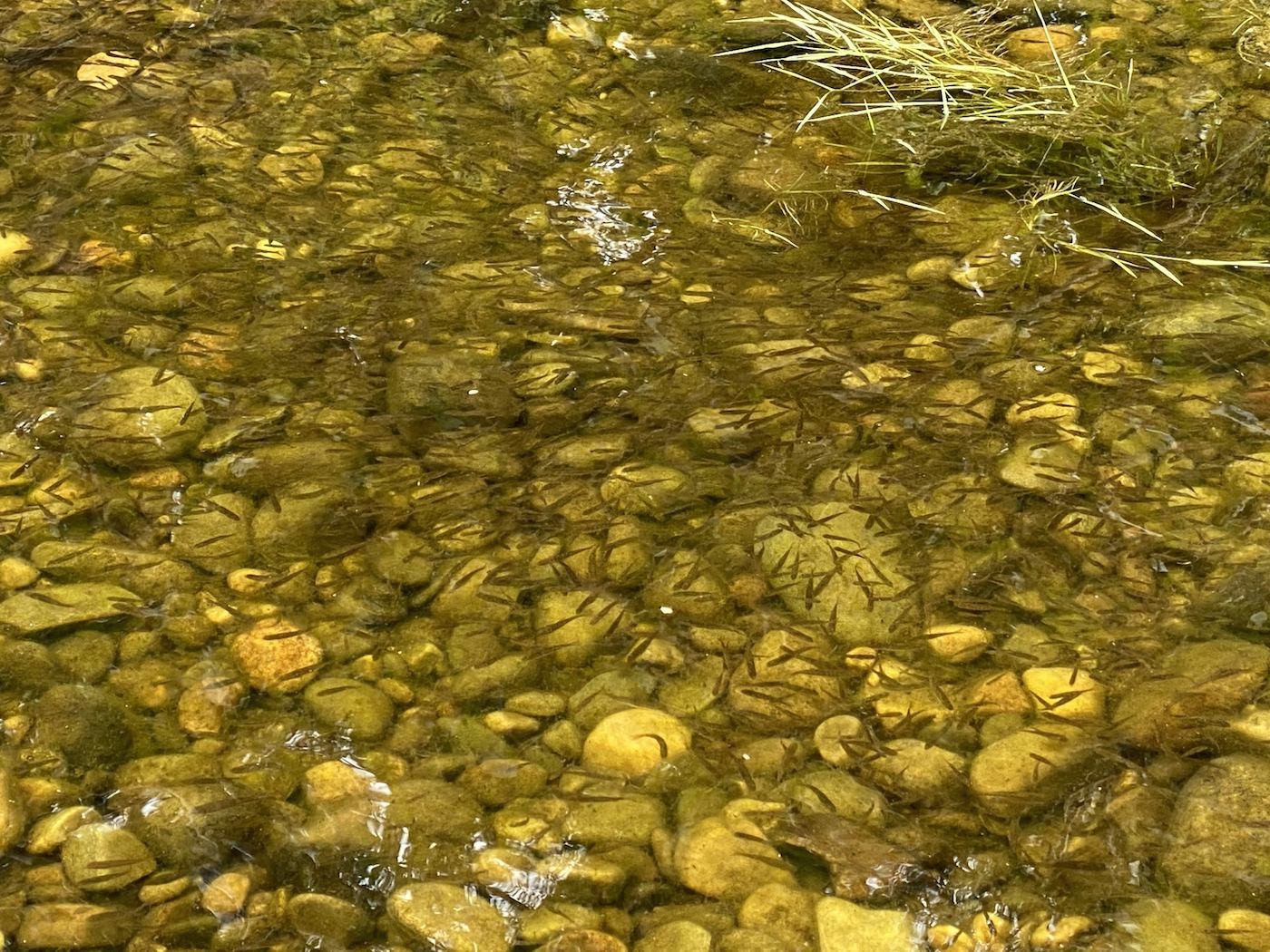
In general there's a far greater loss of juvenile salmon on most of the Scottish salmon rivers compared to days of old. These days it's illegal to remove (or significantly thin out) the significant in-river predators such as saw billed ducks without a special license therefore populations of these mainly 'non native' birds have been allowed to explode. As a youngster (who used to spend his school Summer holidays on the River Tay) the low water Summer nights were always utilised for removing the excessive cannibal wild brown trout that were smashing the salmon fry & parr stocks on a daily basis. This was a traditional river husbandry task all Tay ghillies used to deploy throughout the Summer. The low water Summer months were also the time the Tay ghilies of that era would be in the river margins raking the silt off their known spawning areas (redds) to maximise their individual beat's salmon spawning output.

Increased Juvenile Salmon Numbers
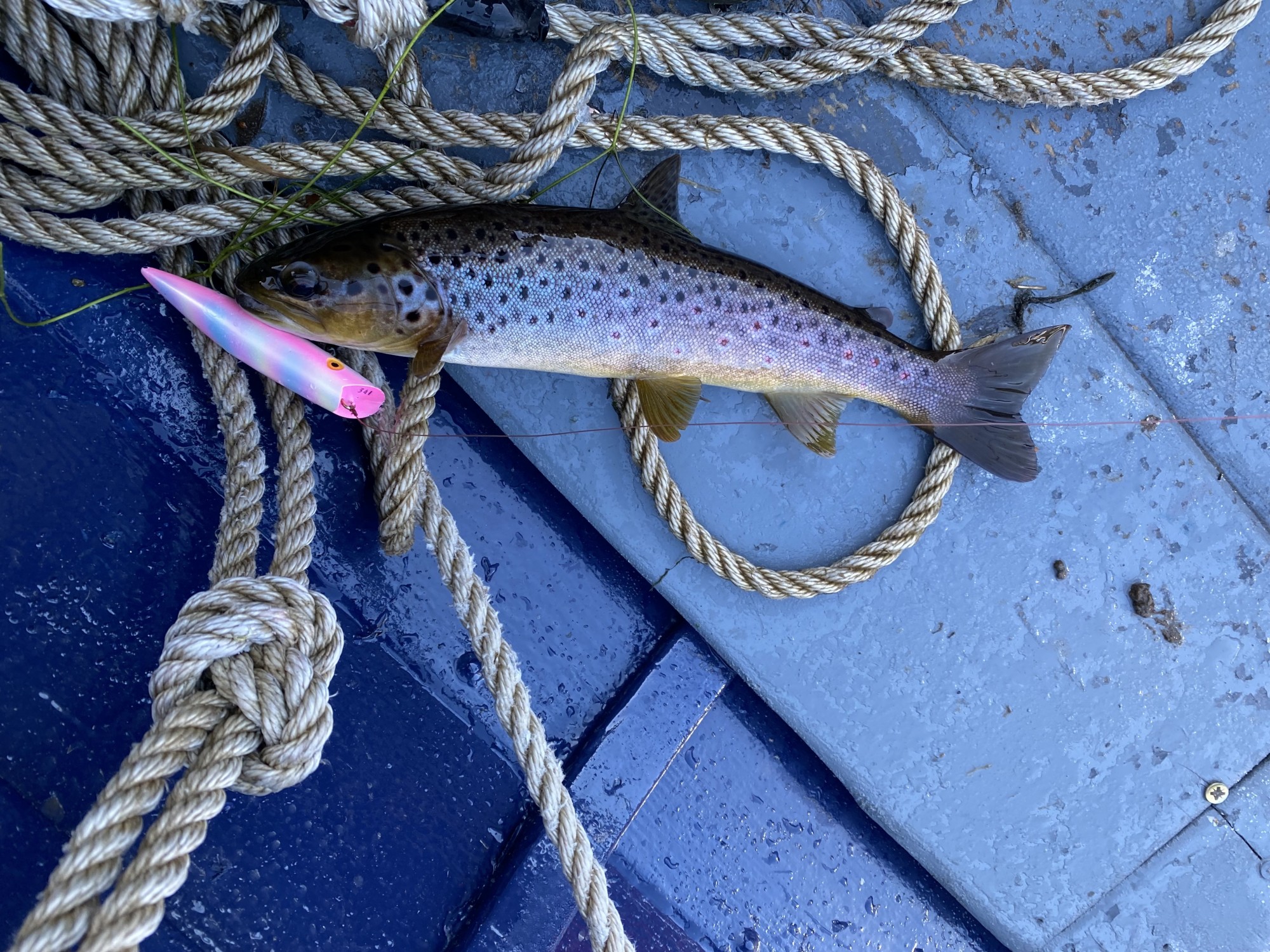
The above mentioned cannibal trout thinning was not targeted at the perfect fly feeding brown trout populations the River Tay is famous for producing but instead the old 'wily' trout that have long gone past their fly life sustaining stage and are solely dependent on juvenile fish as their primary diet. One of these fish will consume 3 to 6 salmon fry or parr every day of their existence so the removal of just one of these 'territorial' predatory trout from a beat would equate to the retention of thousands of juvenile salmon over the course of just one year. Currently there are also many smolt ambush 'choke points' on the Tay where migrating salmon smolts stand less chance of survival than would a Rangers supporter running into 'The Jungle' at Parkhead during an Old Firm game!

Don't Fully Trust All Science Based Narratives
Over the last 3 decades the scientific research community has been busy collecting data in an attempt to get to the route cause of declining wild Atlantic salmon stocks and other indicator species. While there's always a place for science it simply must be balanced or paired with common sense and if that lesson wasn't apparent or learned in previous decades it should certainly have been learned by now on the back of the Covid debacle where the 'science based' evidence led to the global roll out of largely experimental medications that hopefully have nothing to do with the 20% excess death rates that are now occurring across the world. The global 'science based' lockdowns have also clearly lead to an irreversible melt down of the global economies and probably will mark the demise of the legacy fiat currency banking system in the not to distant future! So while scientific research is important it should not in my opinion be the only consideration or supersede basic human common sense protocol.

Natural Juvenile Salmon Stock Enhancement
There's a well known common sense saying 'if you want to keep getting what you're getting then keep doing what you're doing'! Let's see some inspirational 'common sense' being introduced in wild Atlantic salmon stock management via carefully planned 'genetically intact' & 'naturally simulated' large scale juvenile salmon smolt ranching facilities to bolster current smolt output levels to re-generate the huge salmon runs of yesteryear that would have massive benefit to the entire river & oceanic eco-systems in addition to the Scottish rural economies. Wild smolts can be captured and grown on to adulthood for brood stock purposes if it's too scientifically controversial to logically remove wild adult salmon kelts (after natural spawning) to be retained and reconditioned as brood stock to fast track this process.

Salmon Oceanic Migration Route Security Measures
As far as I'm aware Scotland has zero wild salmon migration route oceanic protection whereby there exists the very strong possibility that many of Scotland's outgoing juvenile salmon smolts or returning adult salmon are being accidentally (or intentionally) intercepted by commercial enterprise. With the significant collective revenue generated via Scottish fishery board levies a simple restructuring of fishery board fund 'priority' could permit a sizeable fishery patrol vessel to permanently police our known wild Atlantic salmon migration routes. While there's likely no international agreements in place to currently protect known salmon migration routes any commercial operators blatantly operating in these areas could be asked to move on or risk being tracked and having their own fishery inspectors waiting to examine the contents of their holds when they eventually dock. There's plenty of room in the North Sea or North Atlantic for commercial enterprise to pursue their other targeted species without operating in known wild Atlantic salmon migration zones. While one Scottish salmon management fishery protection vessel operating with satellite tracking capability would provide limited effectiveness the mere presence of such a vessel could easily be perceived as a powerful deterrent and could also double up as a scientific research vessel to monitor on-going salmon migration route adjustments and other evolutionary oceanic environmental changes to keep the scientists happy!