


By Jock Monteith 8th September 2026
There's nothing that compares to catching a wild Atlantic salmon on Scotland's largest salmon river.
Although we often get carried away with the aerial performances of our fly lines here are a few of my thoughts on what really truly matters!

Don't Be Deceived By The Tay's Width
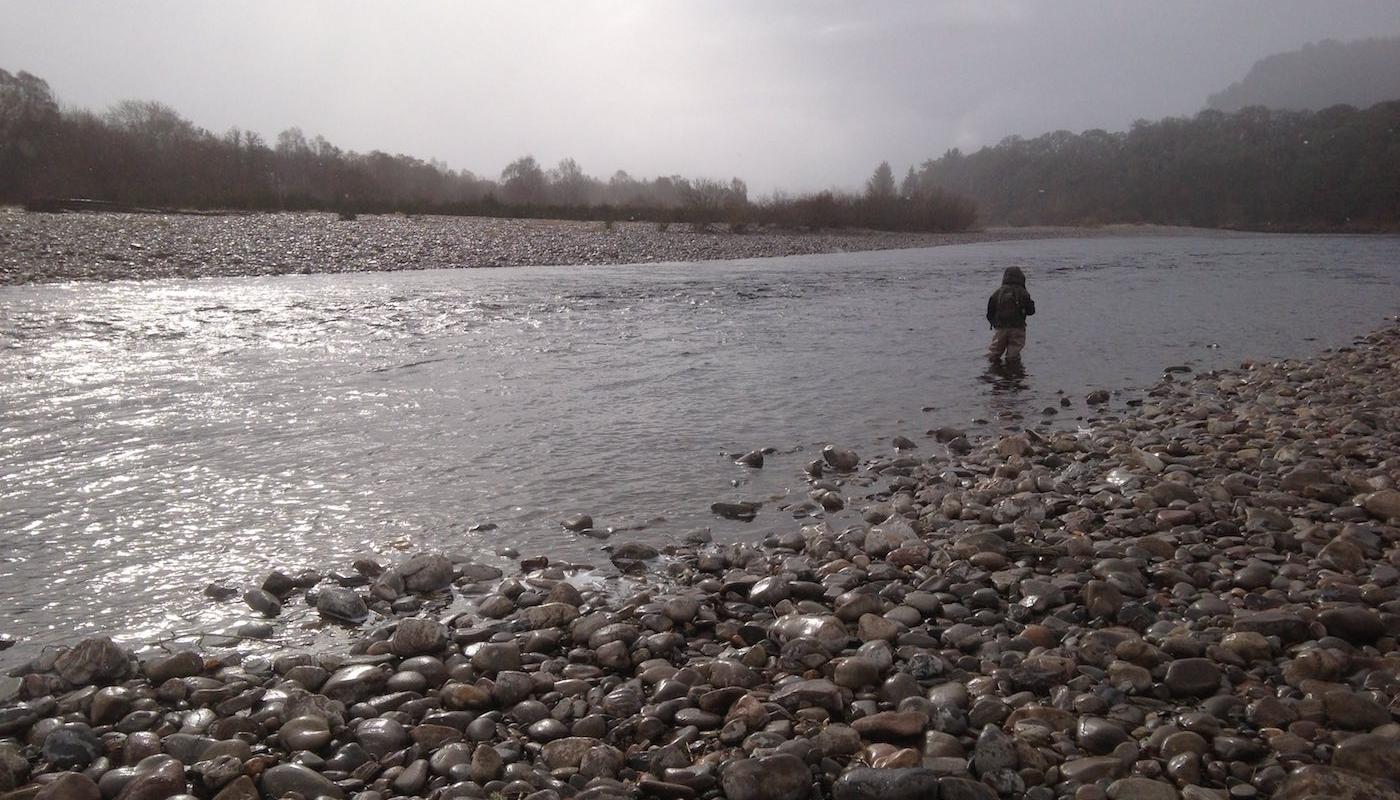
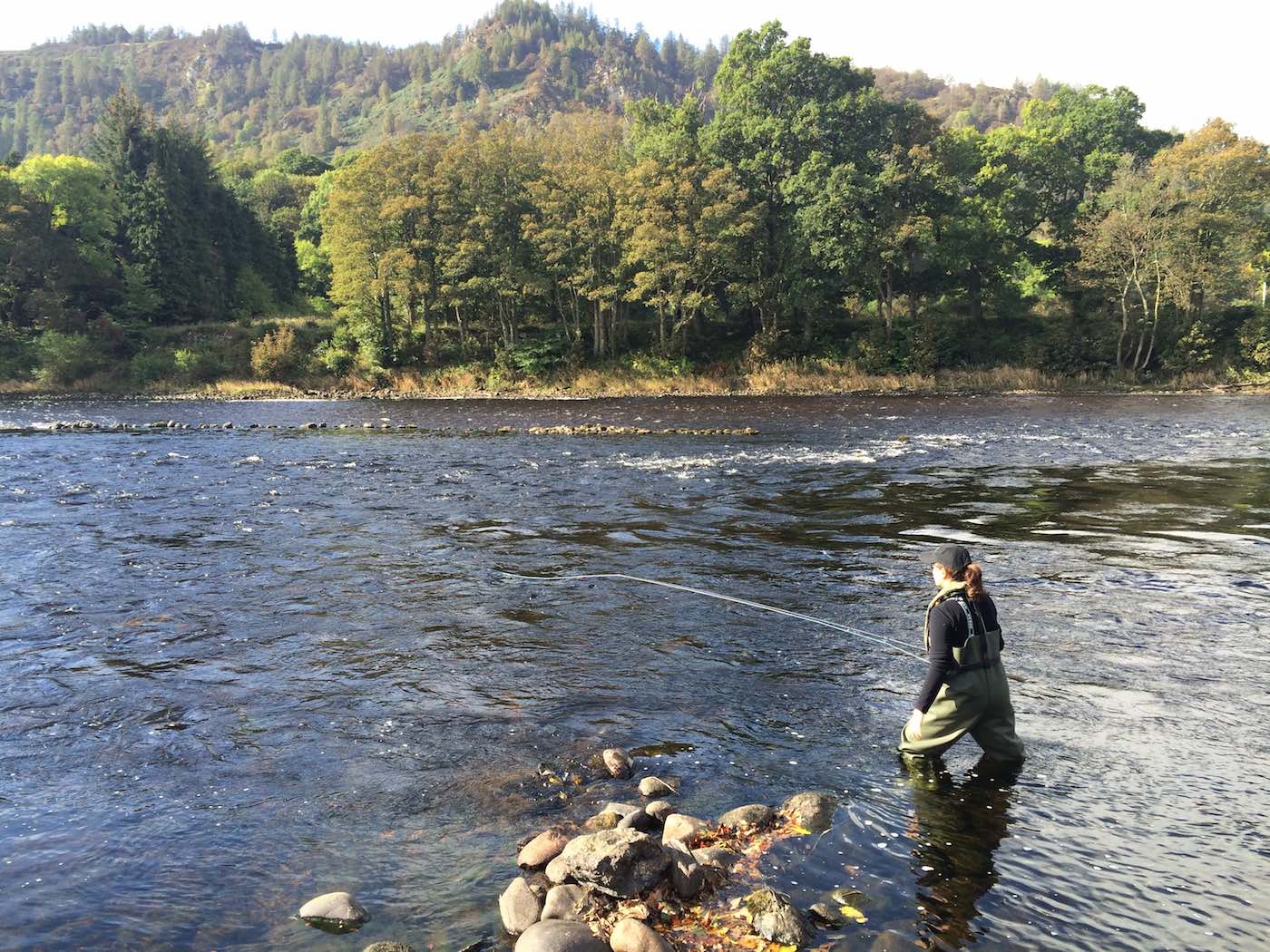
Although the Tay can often reaches widths of 100 yards don't think for one minute that the fly shouldn't always be considered as the number one fishing approach. Sure the river rules allow the use of spinning rods and boat 'harling' coverage but nothing compares to the scrap from a powerhouse River Tay salmon when played on a fly rod. On the Tay most salmon are hooked within 15 to 25 yards from the riverbank and even closer than that during high water conditions when salmon are pushed into the margins. The fly allows better presentation coverage of these likely areas too so always consider the 'deadly' stealth and 'controllable' pace of the fly before any other method.

Salmon Fly Fishing Equipment Fads
There are so many different casting techniques being taught these days with varying types of 'washing lines' being described as fly lines that are now used for salmon fly fishing. I personally believe salmon fly fishing has morphed into a complete mess at this time with manufacturers changing their entire product ranges every year or two to 'churn' their client bases or an admission that they got it wrong with their last range of 'best ever' products! Finesse, elegance and ease of delivery seem to be 'right out of the window' and in many cases replaced by the crash, bang, wallop of zero rear tapered thick bellied shooting heads etc. While I'd personally choose the elegantly flying Spey line (with the 'complete' ability to mend the line 'to the fly' on touch down) over all of this new breed kit how much does it really matter to a salmon I suppose is the real question.

Develop Sub Surface Salmon Fishing Thoughts
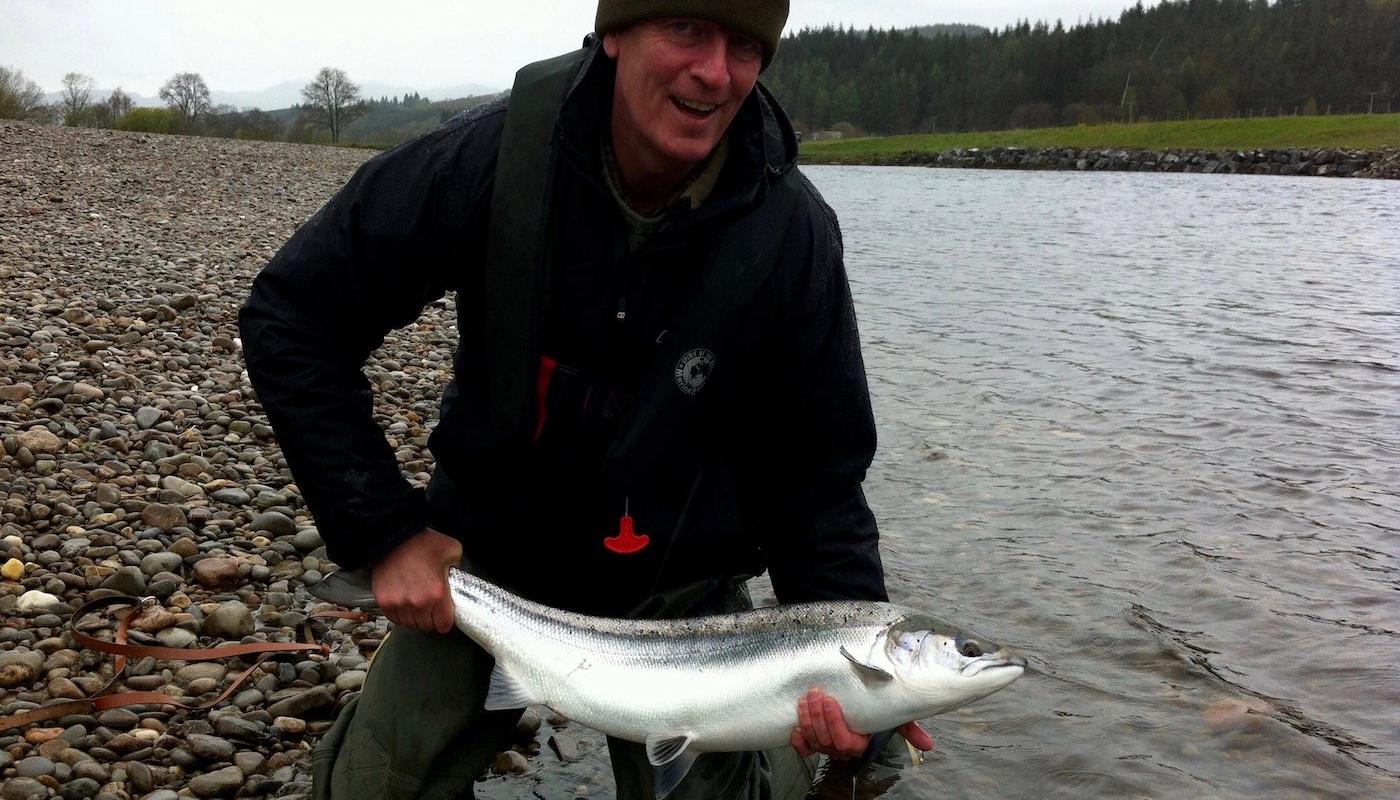
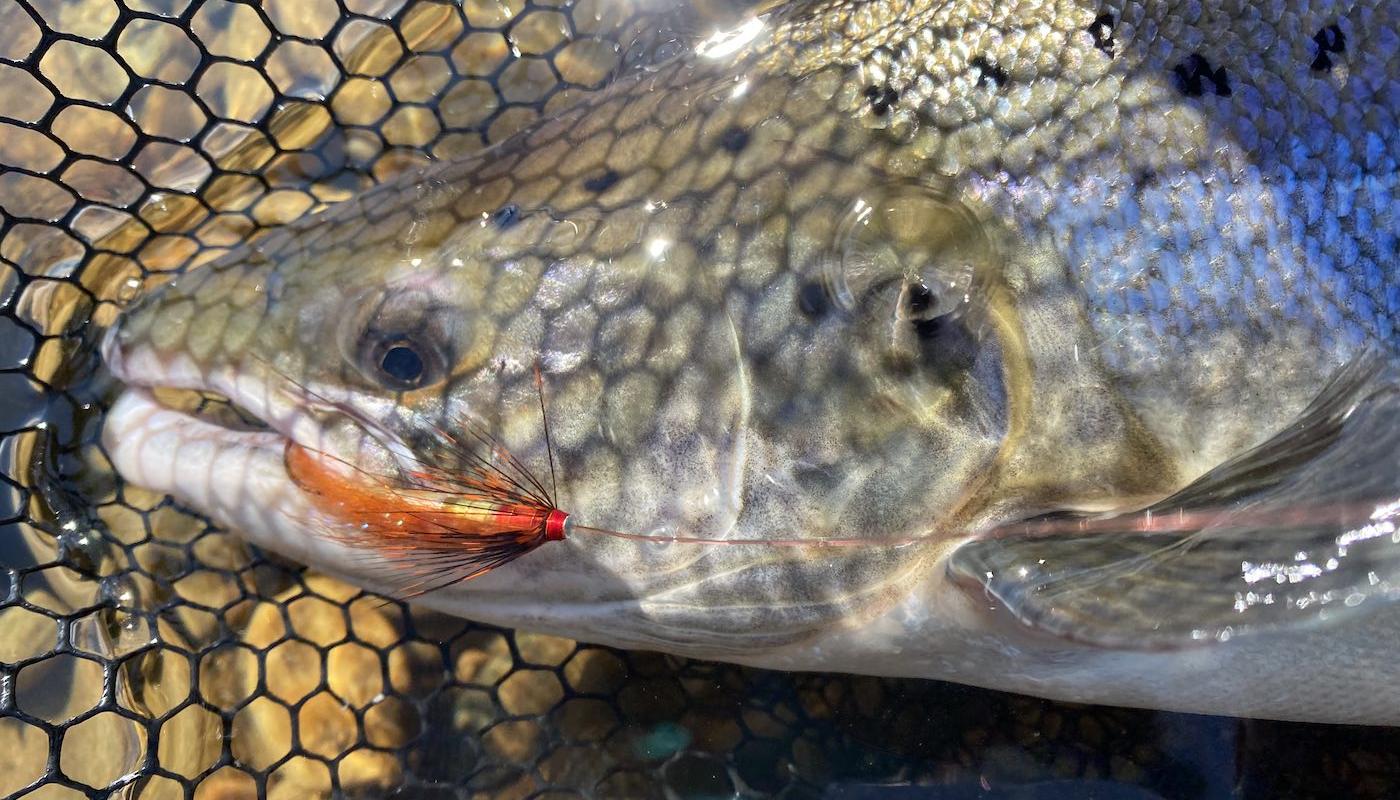
A salmon isn't concerned at all about the aerial performance of any fly line and only pays attention to the little piece of fur, fluff & feather that's attached to the end of your leader. If the pace and depth of your fly is correct at your full range of cast as it swims all the way back to your side of the river then that will clearly go a long way towards a successful fishing day outcome. To achieve that 'fly control' a longish Spey rod and Spey line will always be the most effective 'fishing' tool. The fad of switch rods with heavy 'water drowning' thick heads were clearly never designed by any angler who's had to tame a heavyweight salmon that likes the look of the next pool downstream! Nor by any salmon fisher who understands the importance of avoiding a drowned fly line while playing a fish. 'From the sky to the scissors and the fly' is what you need when a 'big beastie' takes off at 45 plus yards as perfectly demonstrated here with a 16ft 9/10 Spey rod & a narrower diameter headed non 'water drowning' and completely 'liftable' Speyline.

Don't Underestimate The Power Of Good Riverbank Movement
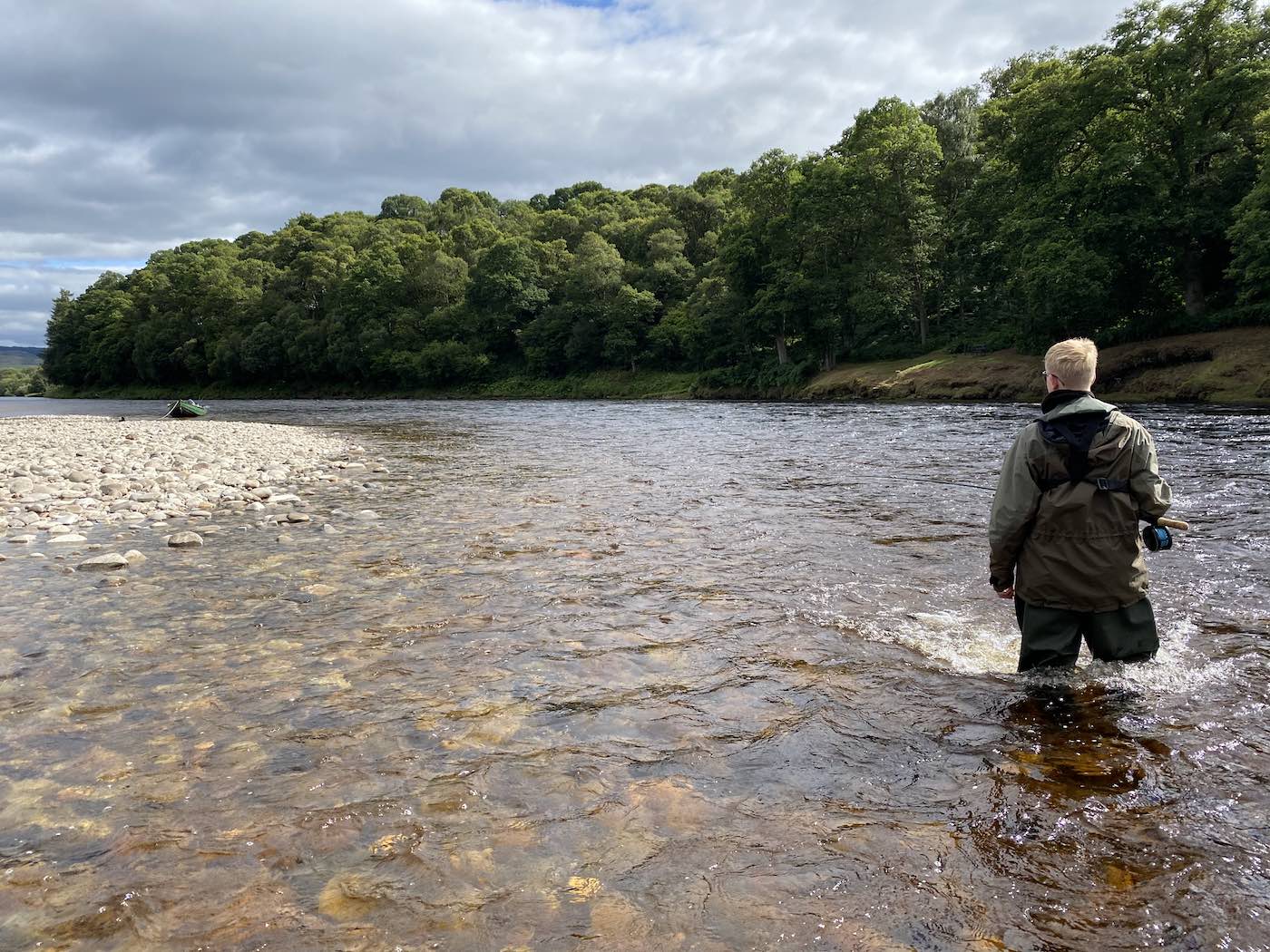
With the basics of fly control 'consistency' understood the most important aspect that is missed by many salmon fly fishers is getting their riverbank movement perfected. Often I've seen salmon anglers 'inching' their way down a pool to the frustration of other anglers who are 'log jammed' in behind them. Get your wading boots in gear and think what on earth you're doing if that's how you currently move down through a salmon pool. All you're doing by hardly moving is showing salmon far too much of your fly and reducing your daily water coverage down to a fraction of what it should be. In addition to that you'll be upsetting other anglers and maybe even the Head Ghillie! In the vast majority of cases 'less is more' when it comes to making a salmon react favourably!

Optimally Spacing Each Swing Of The Salmon Fly
Personally I take 3 medium sized steps between each swing of the fly. The spacing I've found works best is approx the distance between the butt end of the rod to the first butt ring if you need a 'visual' measuring tool. This usually represents about a yard which gives a salmon all it needs to see to make a predatory 'split second' decision without boring the fish to death or training it to accept the presence of your fly. To get this measure absolutely precisely correct identify a riverbed rock or feature directly under your rod's butt ring at the end of the cast (as you're getting ready to recast) then make your cast and move 'exactly' to that riverbed feature. This salmon fly 'swing spacing' measure will give you a massive amount of daily water coverage which should almost guarantee your fly being presented in front of a 'taker' at least once during the course of the fishing day.

How To Deal With The Salmon Take
I've touched on how to deal with the 'inevitable' salmon take often in this daily newsletter and here's one of the links on how to hook a salmon on the fly. There's no point in getting your fly control just right along with proper & exact fly swing spacings if you're going to 'strike' a salmon like a trout when that magic moment occurs. 'Keep the heid' as you've miles more time that you could ever imagine when a salmon identifies itself. The 'mantra' for your head if you need to self brainwash yourself into not reacting is 'Do Nothing'. Repeat these words over and over again while you're fishing and if you do that successfully then that's exactly what you will initially do when those 'super charged' tugs on your fly reel commence!