

By Jock Monteith 15th July 2026
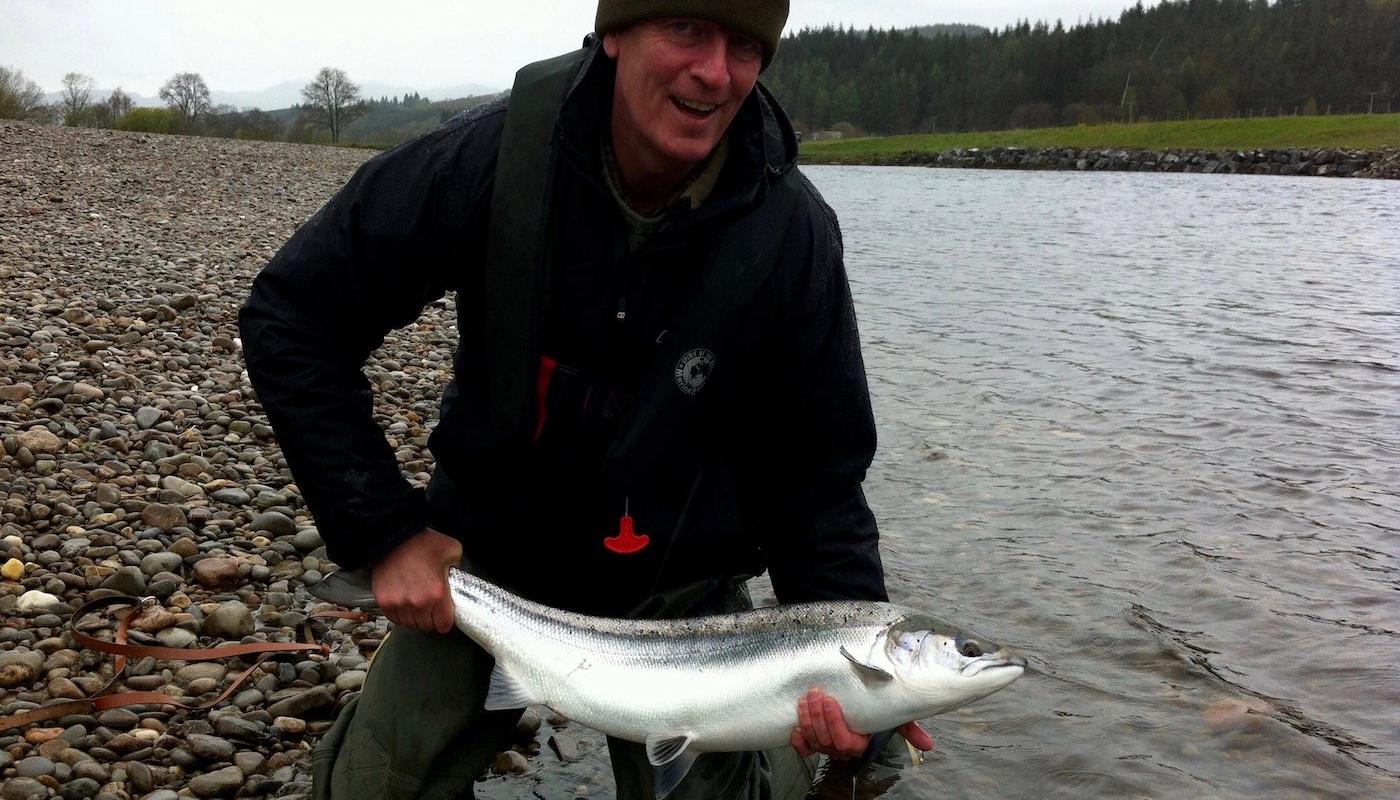
There's been loads of content written on this important salmon fishing topic and from what I've personally witnessed 'most' of the normal hooking techniques will work some of the time.
As a professional ghillie a 'some of the time' success rate is not high enough so in the next few paragraphs I'll give you an insight into what personally works for me well over 90% of the time.

Working Hard For The Salmon Take
On most salmon rivers in the Northern Hemisphere every salmon fisher usually has to work smart for the chance of sub-surface co-operation as salmon tend not to usually shoal up like eager mackerel on some sort of 'feeding frenzied' suicide mission. With this in mind coupled with deploying essential consistent well spaced riverbank fly swing spacing movement & the general tactical skill required in placing your fly in front of a salmon that's willing to cooperate it is very important that you can convert these salmon fly investigations into salmon captures and not leave them as wasted hooking opportunities.

Don't React To A Salmon Immediately
The absolute key here is to allow that salmon sufficient time to turn on the fly and never to react immediately you feel the first tap from the salmon's initial contact. If you're a trout fisher you'll be pre-programmed to immediately tighten and each year in Scotland thousands of salmon hooking opportunities are squandered by anglers who lack the knowledge or composure and react too quickly. If you're new to salmon fishing and doubt your own reactive instincts repeat the mantra 'do nothing' in your head over and over again while salmon fishing to re-align your pre-programmed trout hooking habit. If you do this effectively though it may well have a negative impact on your success the next time you go trout fishing!

Letting The Salmon Turn On The Fly
It's vital that you let your salmon turn on the fly but that doesn't always happen straight away and it's normal to experience 4 or 5 positive tugs on the fly before the steady draw of fly line from your reel commences. You must be patient and even when after several seconds of these tugs have lapsed you need to typically give the salmon another 6 seconds of steady consistent line draw before you need to then set the hook. The problem with these early 'do nothing' moments is that they will feel more like minutes and not seconds due to the instant adrenalin release they trigger!

Setting The Salmon Fly Hook Properly
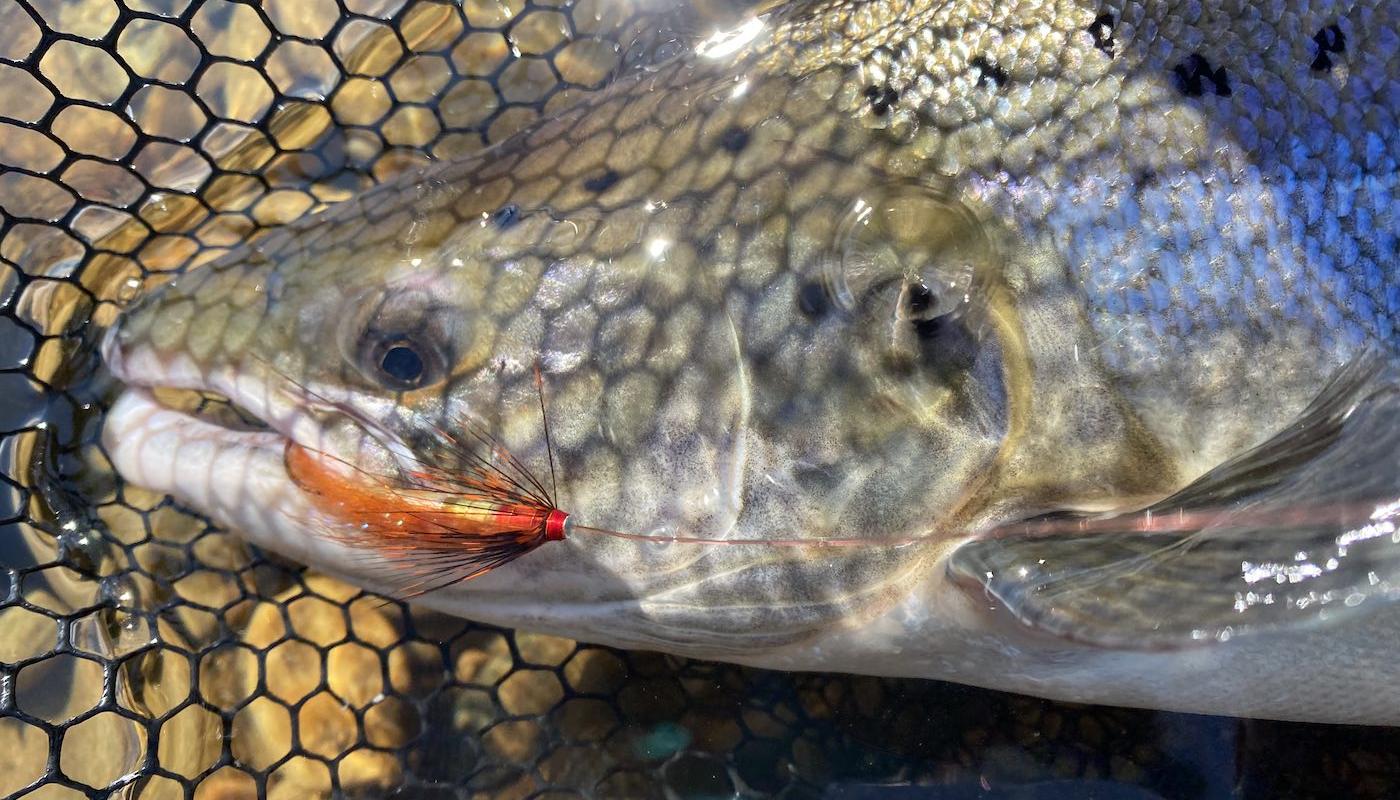
When a salmon takes and turns on your salmon fly you are in the 'hands of the Gods' as to where the micro point of your fly's hook is positioned in the salmon's mouth. The majority of the inside of a salmon's mouth is fairly tough tissue and not soft tissue. If your hook point is sitting lightly in the tougher tissue of the salmon's mouth when it turns logic will tell you that a fair amount of hook point pressure will be required to set that hook properly. If a salmon wants to get rid of a 'half set' hook it is indeed a master at doing so and your contact with that fish is unlikely to last more than a minute.

Applying Salmon Fly Hook Point Pressure
When the time is right during the initial take after making sure the salmon has turned the most logical method of applying hook point pressure to the micro hold of the hook point in the salmon's mouth is to lock up your reel face by clamping it with your hand at the same time keeping the rod tip down and pointing in the direction of the fish. If you do this you will feel the weight of the salmon from its forward momentum which indicates sufficient hook point pressure to ensure a proper hook set. Please note than only a few seconds of feeling the weight of the fish is required before then releasing your grip of the reel face and only then lifting the rod to play the fish.

What The Salmon Fishing Books Say
The salmon fishing books range from varying degrees of advice but the main one is not to react and let the salmon turn as I've already mentioned. The books then usually go onto say 'just lift into the fish'. If you do that the soft action of a fly rod coupled with a lightly set reel drag (which you have to fish with to allow the salmon to turn) will not exert enough hook point pressure to logically set the hook properly & effectively and especially so if the hook point is positioned in the tougher tissue inside the salmon's mouth.

Test This Salmon Hooking Procedure
To test this 'dead cert' hooking procedure place a salmon fly hook point in the tough skin on the palm of your hand and have a colleague lift into the hook point at 25 yards with a lightly set clutch. You will indeed be jagged but certainly no more than that. Whatever you do don't ask him to clamp the reel face with the rod tip down as you walk away with the fly hook in the palm of your hand unless the receptionist at the local doctor's surgery is exceptionally hot!