




By Jock Monteith 25th August 2019
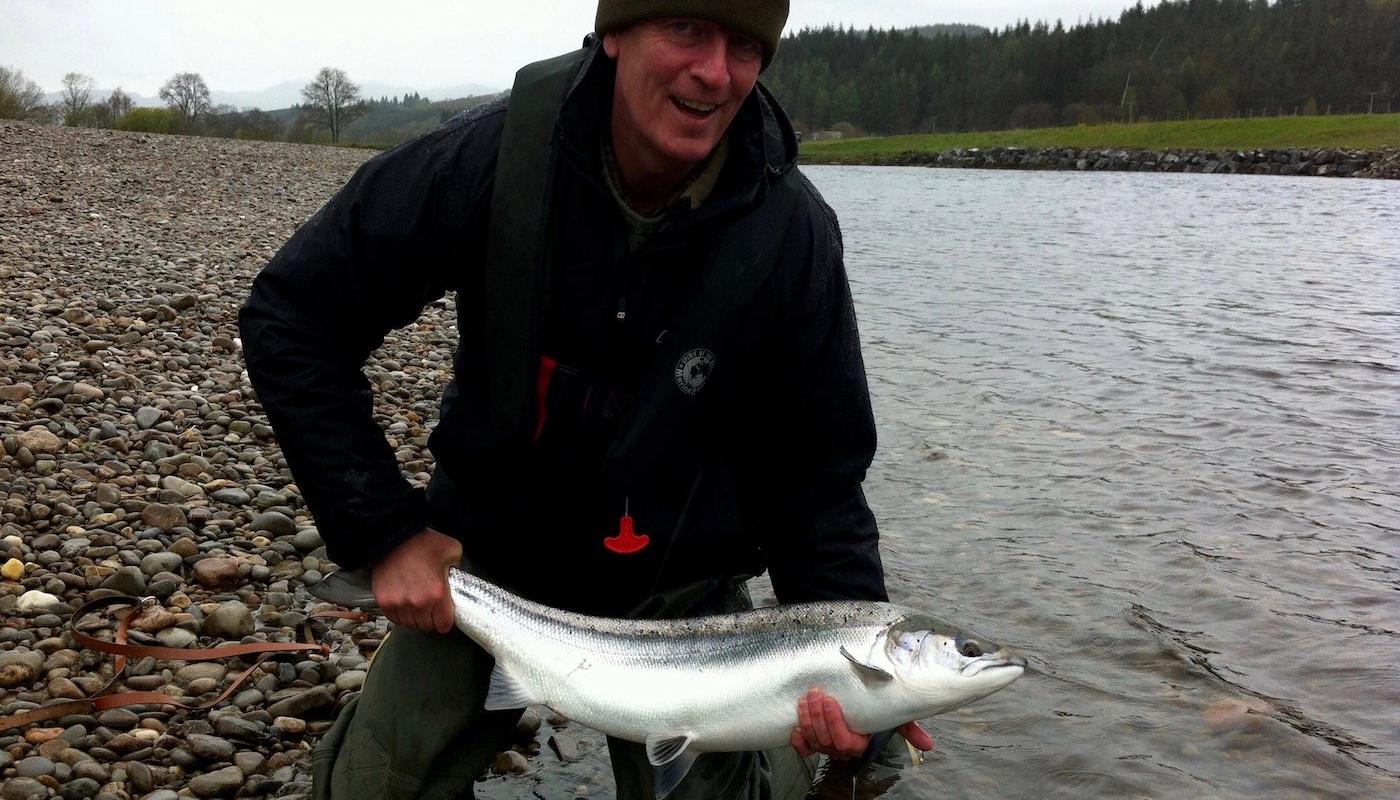
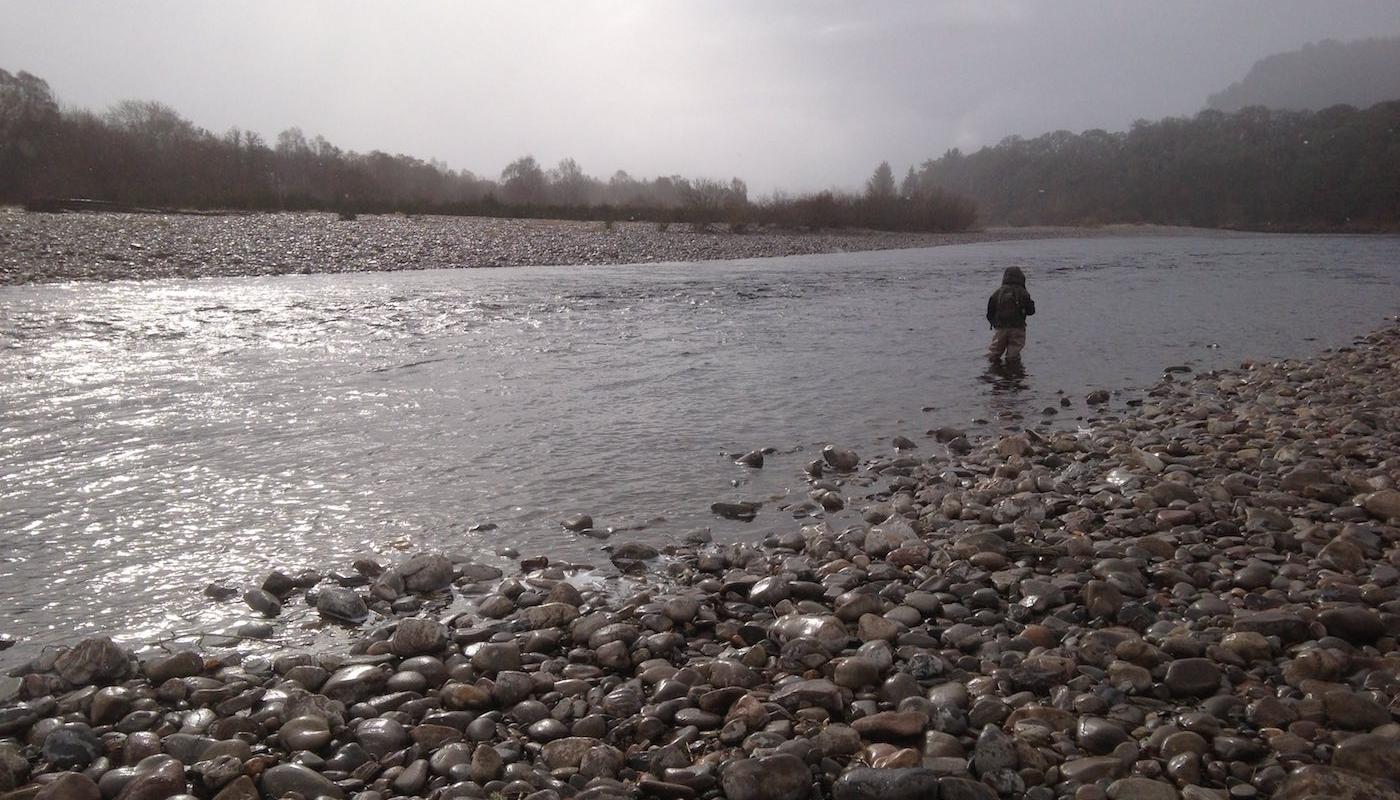
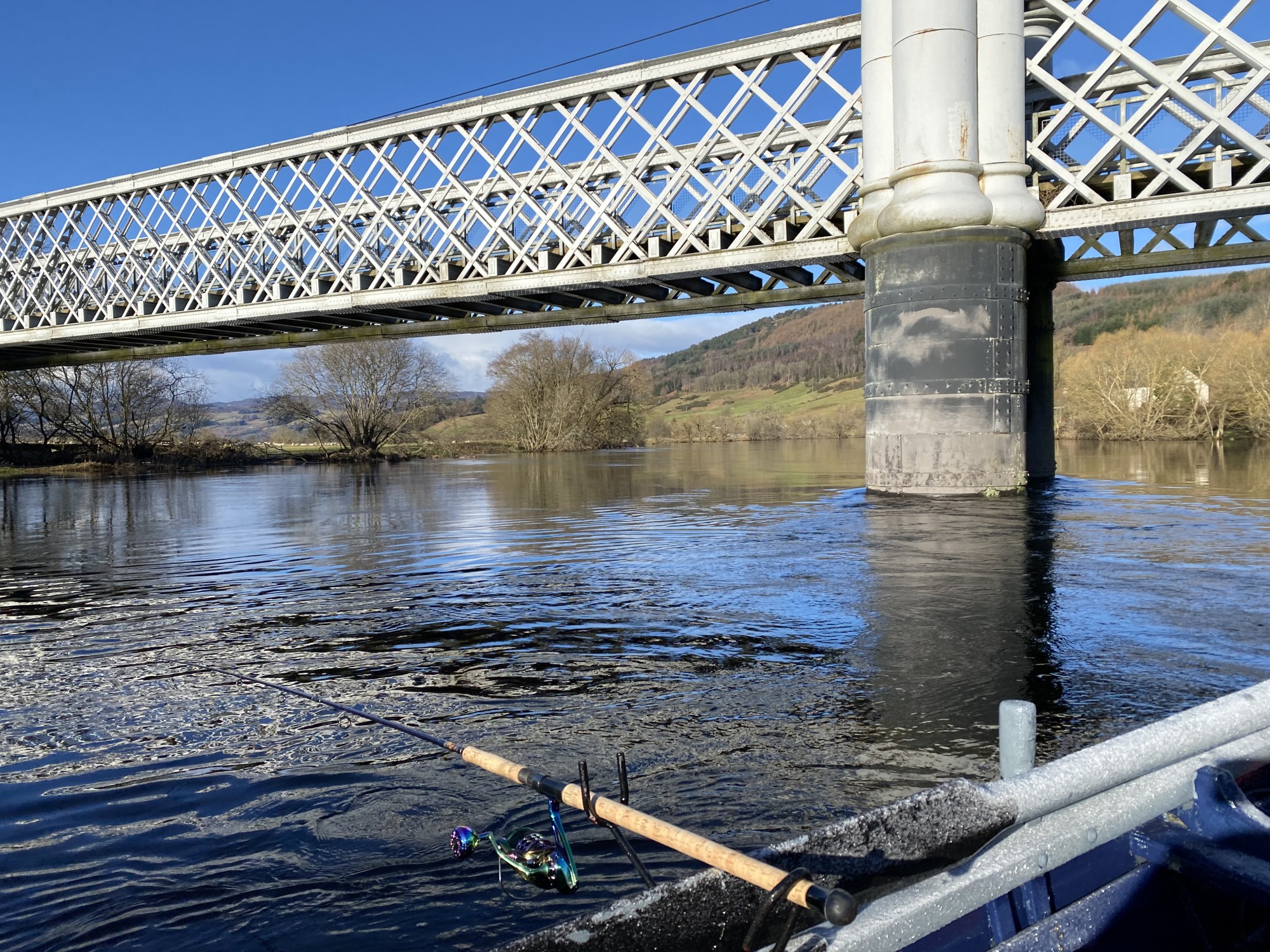
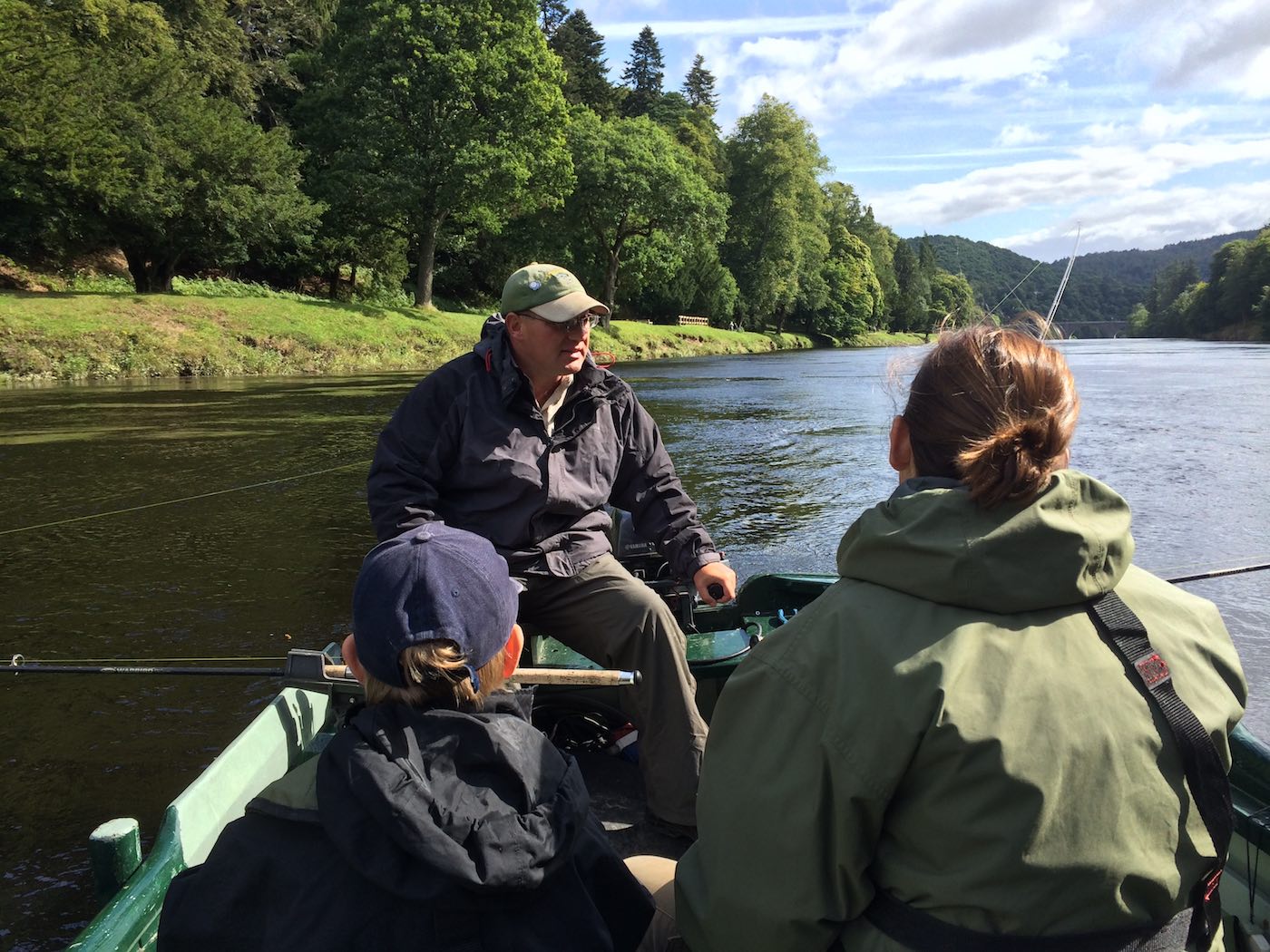
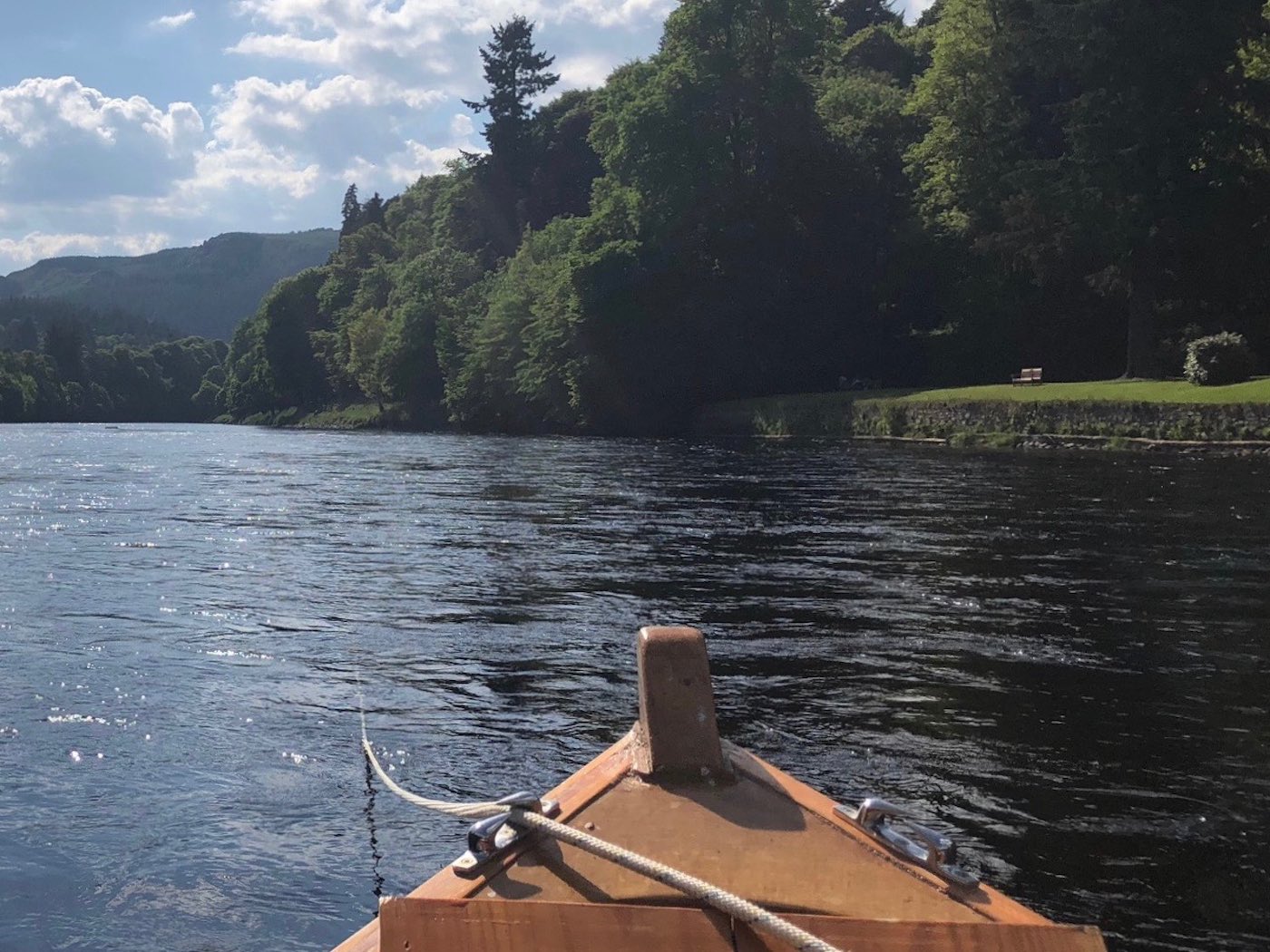
There's not much that beats a day out on the River Tay in a traditional hand built 16ft coble boat with a highly skilled and astute Tay boatman.
The next few paragraphs will give you an insight as to what creates salmon fishing success from this approach.

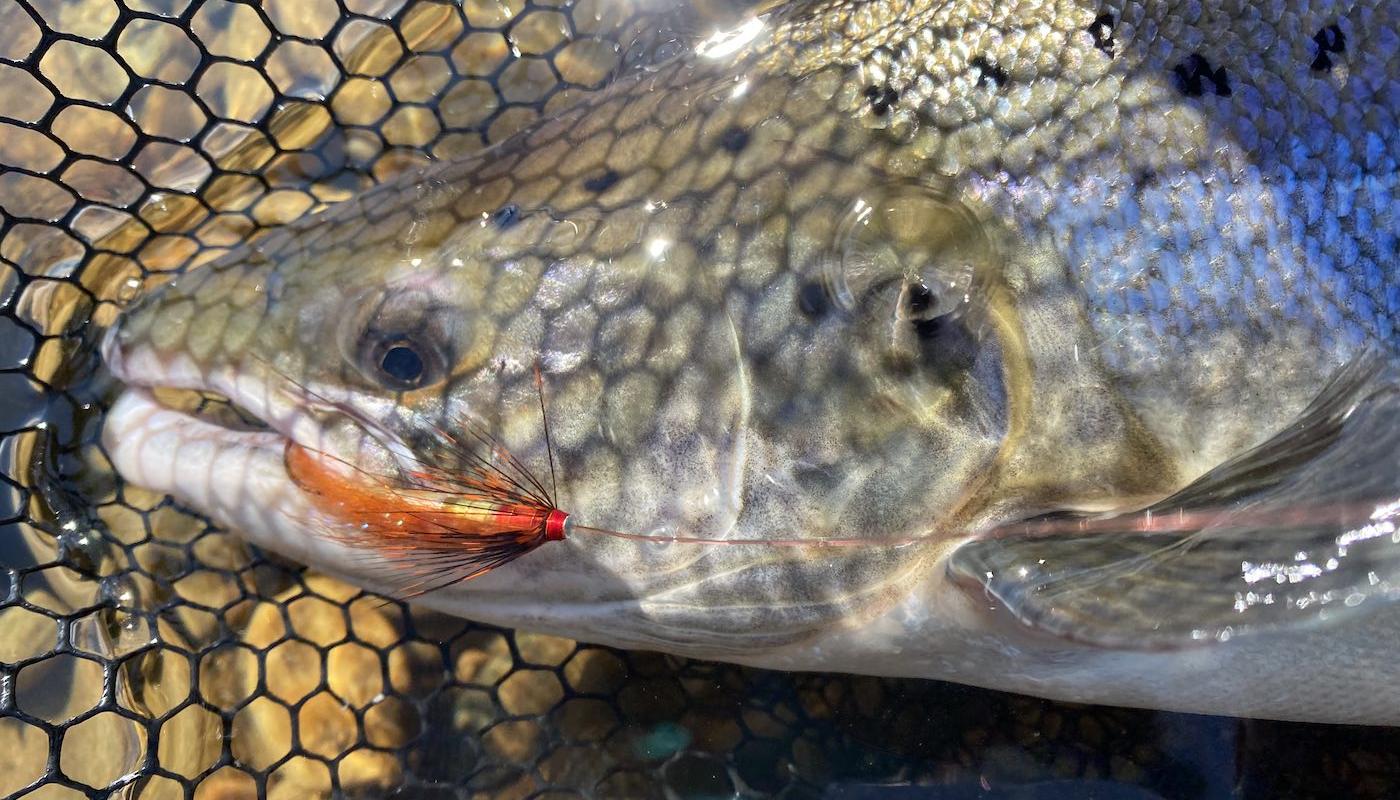
Traditional River Tay Harling Lures
The traditional River Tay harling technique has been something I've been personally fascinated with since my initial introduction to this pursuit back in 1970. The 'lucky Louie' was the harling lure at that time and the 'Kynoch Killer' which was a slightly modified Scottish version. Watching these multi coloured buoyant plugs waggling away against the dark flowing water of the Tay just seemed to capture my mind back then and still does today.

Effective Hooking Qualities
The sliding body of these lures would rise up the leader leaving the internal hook mount in the salmon's mouth which meant these lures were consistently good hookers which was also due to the lure's logic based mid point hook position. The pink and white version of these lures seemed to be the most favoured colours by most of the professional River Tay boatmen back then and that hasn't changed on the Tay even to this day. Any white coloured lure that enters the water will transform into the most perfect light golden colour due to the mild sedimentation in the river and gold has always been a great salmon catching colour.

A True Professional Tay Boatman
True River Tay harling requires a precise tactical strategy which personally I don't see too often today. In the old days the ghillies could have performed this task 'blindfolded' but these days finding a really skilled River Tay boatman is a bit more of a challenge as few have had the advantage of being taught properly by the 'old brigade' Tay craftsmen but there are indeed some first class exceptions. The key to the unbeatable water coverage the boat provides is having each of your lures spread and fishing at different exactly measured lengths. These trailing lures should be fished with the boat dropping exactly 1 boat length downstream between each swing of the boat.
Perfect Salmon Pool Coverage
The above is not something any boatman should be guessing and taking a proper visual marker diagonally across the river as your next 'aiming off' point is vital whether your fishing guests are aware of what their professional Tay boatman doing or not. An expert professional boatman will be doing this with nobody aware as it'll be his peripheral vision he'll be closely monitoring his positioning with so often very difficult to spot. Can you imagine the water coverage 3 staggered and proven River Tay harling lures are going to achieve if every square metre of the salmon pool sees at least one of the lures through it while the pool is being fished.

Controlling The Speed Of The Lures
The speed of these harling lures is important too and a consistent not too slow & not too fast approach is vital for success. At the end of each turn of the boat making sure the inside lure has had a chance to work right into the edge of the river is important as many boatman pull away too soon and miss these deadly close to the riverbank salmon running & holding zones. A slightly slower harled lure works better in the cold early months of Spring until the river warms up when a slightly faster harling technique performs better. A nice steady 'tick over' on the engine with no revving along with careful upstream or downstream boat commuting that doesn't shake up the salmon pools are additional signs that your boatman is 'top drawer'.

Fish With A Tight Clutch Setting
A tightish clutch is important too as a salmon won't hold onto these hard plastic lures the same way it will with a soft lightweight fly and I've seen many fish lost through too slack a clutch and the salmon not being hooked properly when it takes. If you're a ghillie on a beat that's stuffed with salmon then this doesn't matter too much as you're going to get plenty of other opportunities however if you're on a beat of the Tay where you've got to work a bit harder for sub surface cooperation you must make each and every take count. All hook points logically require pressure to be set and a slack clutch setting will not provide that pressure. A tight clutch setting will set the hook before you probably even realise a salmon has taken but the clutch won't be turned up overly tight where no line can be taken and there's a real chance of a line breakage occurring. Once the hooks are set ease off the clutch setting slightly for the fight before or shortly after handing the fishing guest the rod.

Traditional Hook Setting Techniques
In the old days when a fish took from the harling boat the ghillie would pick up the rod and lay into it with one almighty pull before then handing the rod to the guest. They worked on the basis that if the fish was getting off it was getting off early! The only time a harling guest should be touching these boat harling rods is after the boatman tells him it's ok to do so. Even the exact positioning of the lures should always be the boatman's task who stands a far better chance of getting the distance between each lure perfectly correct for maximum water coverage unlike a guest who in many cases will know next to nothing about the importance of individual lure distances.

Leave Everything To Your Boatman
Lure colour selection is also something that is vital for success and taking the boatman's advice which is grounded on 'faith' is a very important part of harling success as your boatman will have seen it all before and remember he's not out there for a blank day either. Don't be thinking you know better if you're a fishing guest and remember the professional Tay boatman has had years to do all the experimenting required which is something they all have gone through. Frequently changing the lures is a big irritation for any professional boatman and an insult too his selection choice so have patience and faith as eventually that will likely pay off.