

By Jock Monteith 18th February 2026
There's a bit of thought and riverbank experience involved in making sure you're focussed in the correct areas of a salmon pool through the cold water period of the early Spring.
The next few paragraphs will give you a few of the pool attributes to look out for to increase your awareness and chances of early Spring salmon fishing success.
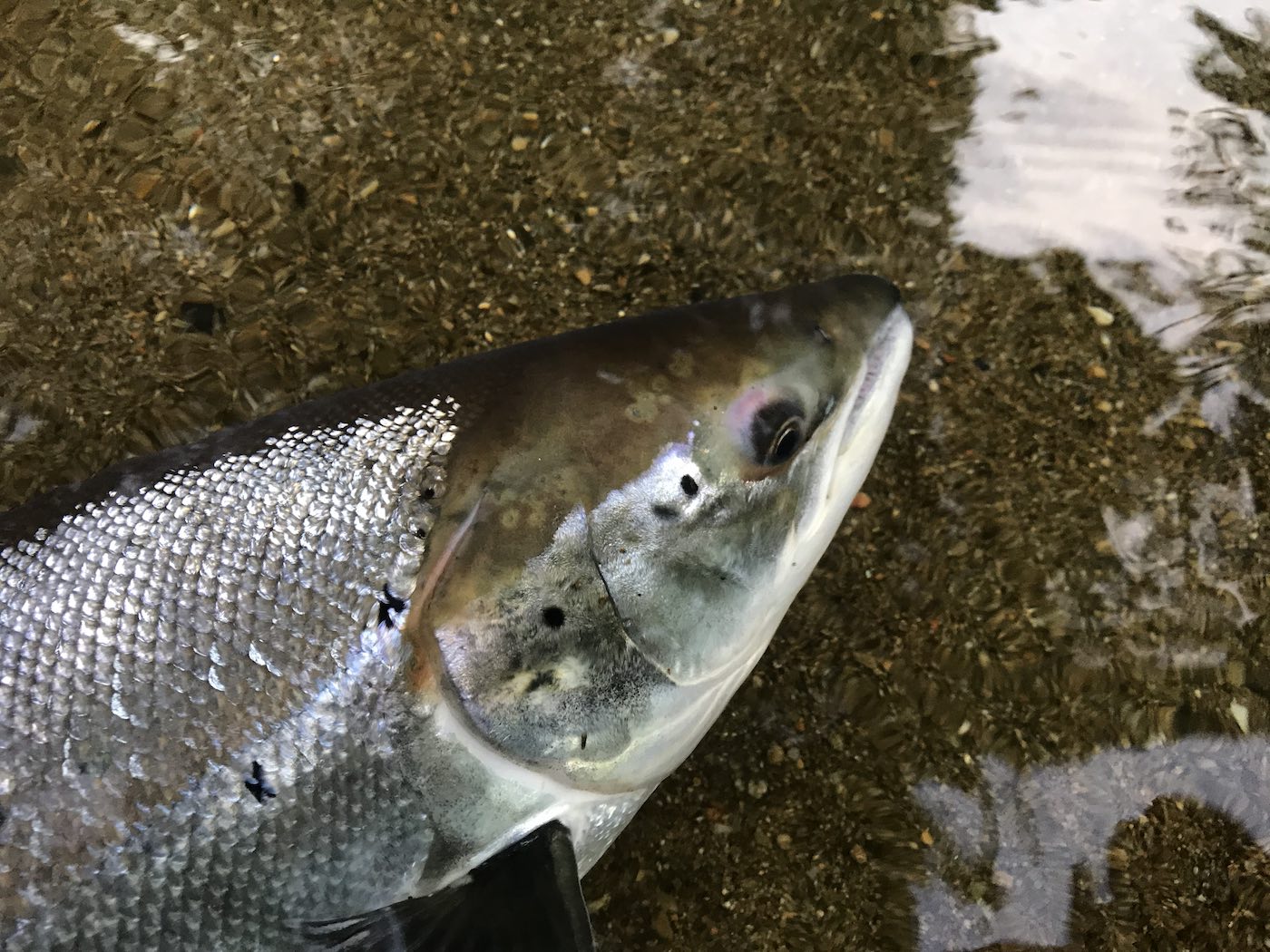
A Stealthy Spring Salmon
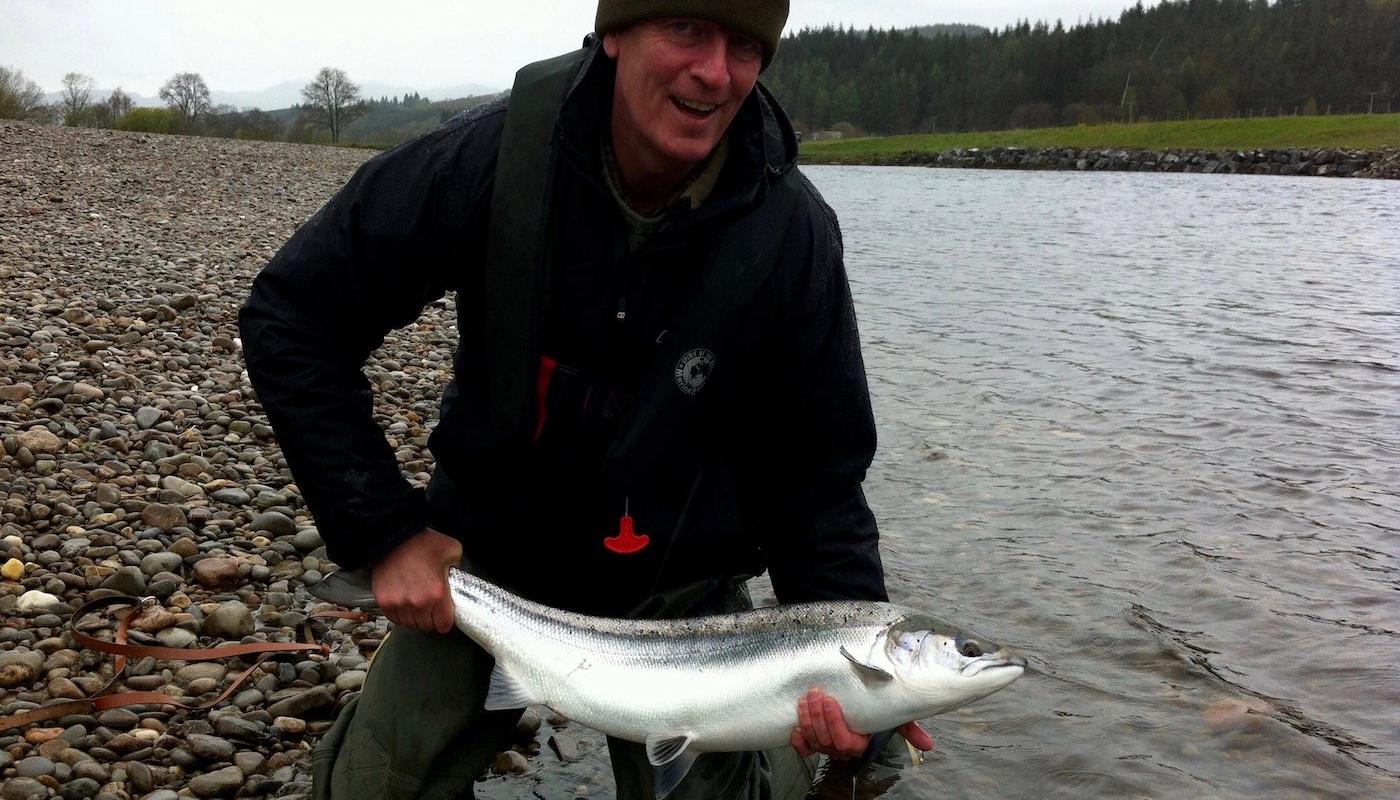
Spring salmon in the cold water of early season can be a very stealthy creatures who won't necessarily show themselves and give away their holding position like they often do in the warmer waters of late Spring. You need to always fish on the assumption that fresh run Spring salmon are present and in my professional experience that is usually always the case whether they are caught or not.

Where To Look For Early Spring Salmon
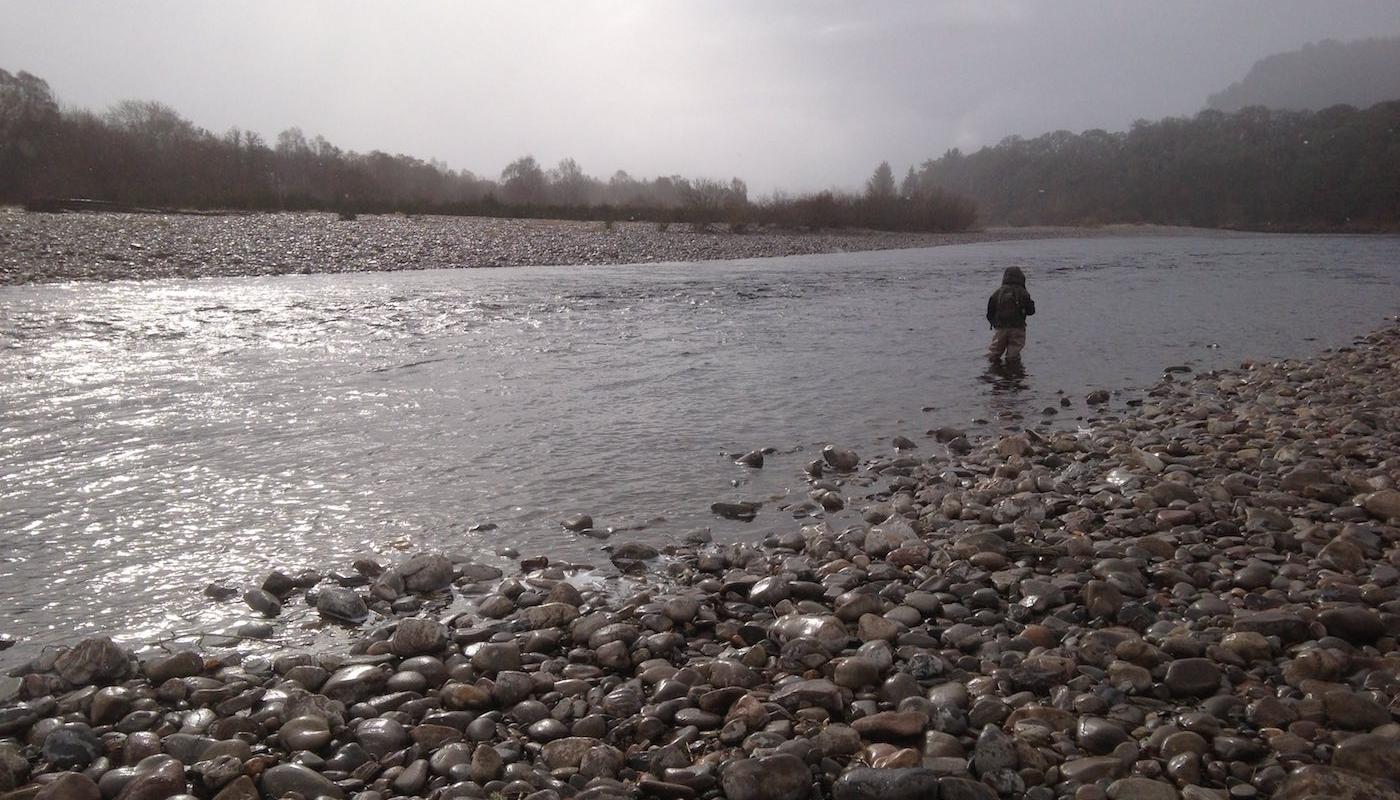
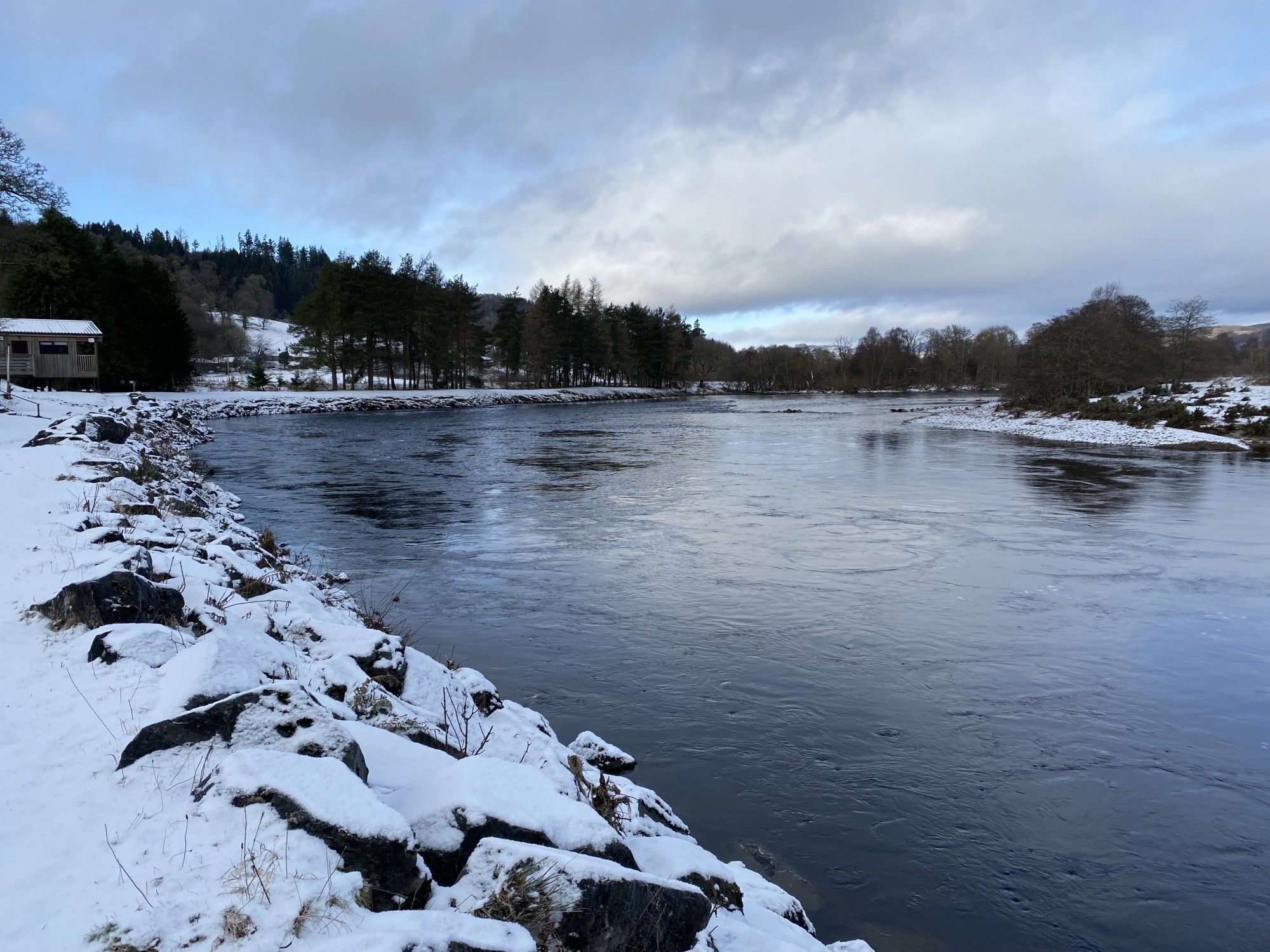
Normally through the early Spring months of the fishing season the Scottish rivers will be running high following recent rainfall or snow melt. The high cold water searching procedure becomes a polar opposite to where and how you'd be searching for a salmon in the low warmer water of late Spring or Summer. The deep slow moving areas of the salmon pool away from the fast turbulent water areas are the likely areas to locate resting early Spring salmon.

Close Lying Spring Salmon
The higher the river is running the more likelihood that these deeper slower moving river holding areas will be fairly close to the riverbank and on all Scottish rivers and these areas can often be right under your rod. With this in mind be cautious how you approach the pool as spooking 'close lying' early Spring salmon is easy to do in the high water where salmon have other holding area options they can move to. With this in mind you need to drop the all too popular distance casting concept and target only the obvious holding areas of the pool or you'll likely miss the chance of catching a Spring fish.

Slow Moving Glassy Surface Areas
A great thing to look for on any river at any time of the year is where you see dark 'glassy' areas appearing constantly or periodically on the surface of the river which is always indicative of a sub surface feature and smooth flowing water where salmon love to hold. I recall fishing the River Stinchar many years ago and walking between pools with a great fishing colleague. I noticed what looked like to me a perfect slow water salmon lie out in the middle of a faster flowing area of the river. My fishing colleague said it wasn't worth fishing as in 15 years it had never produced a salmon. I took one cast and my line was tightened instantly by a 15 pound hard fighting cock salmon so follow your nose when you see a potential salmon lie.

The Fast Water Salmon Lies Of Summer
Throughout the year salmon will not lie in fast water unless they are forced to go there when oxygen levels are lower during periodic very warm water conditions of Summer but even then they'll be lying in an area close to the bottom where there's a break in the current which will be completely invisible to ourselves. In the Spring when there's plenty oxygen present in the cold water forget the fast water areas as they will only be used when a salmon is on the move and is needing to power up through them.

Spring Salmon Fly Presentation
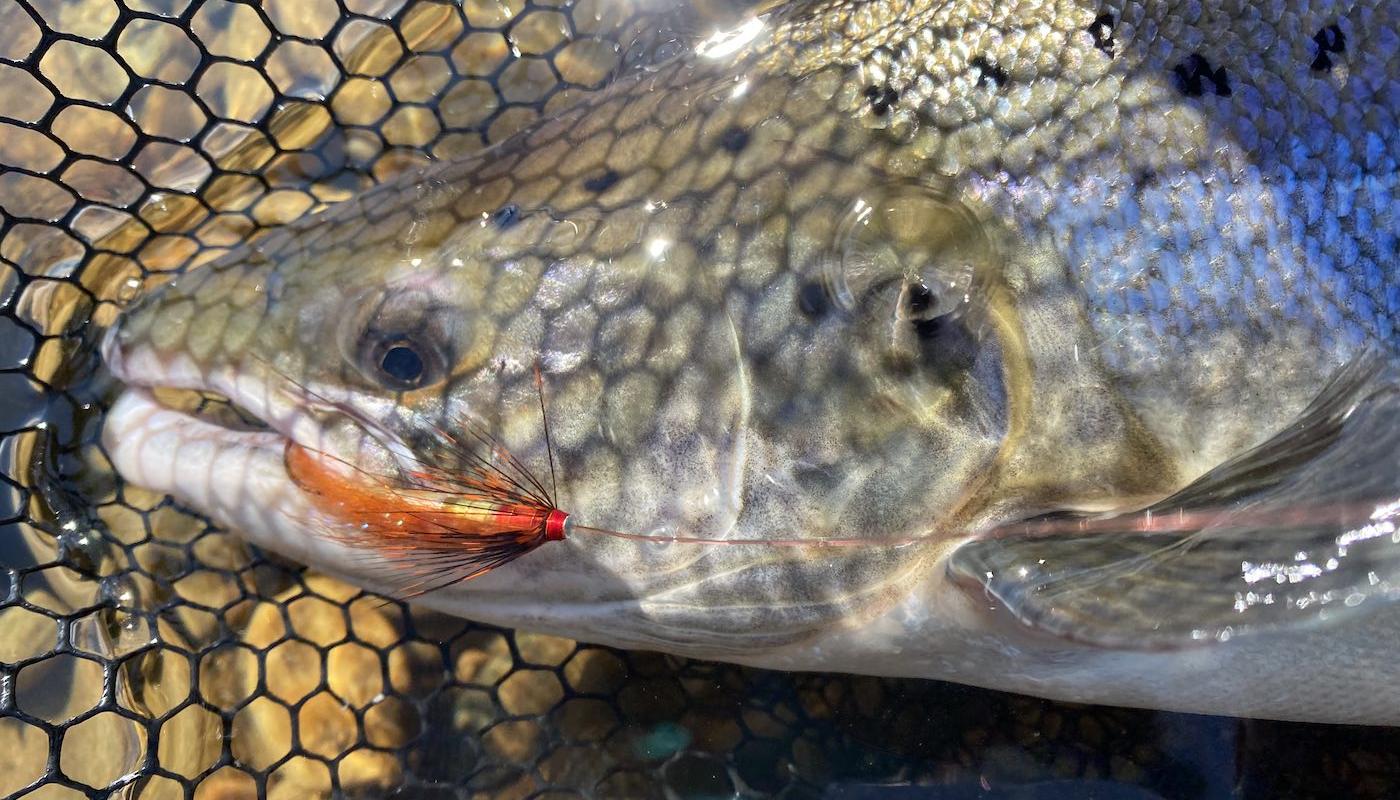
During the cold water of Spring your salmon fly should be fished slowly and at approx one foot under the surface of the river as salmon will be holding no deeper than 2 feet down. This is where the warmer thermals are to be found and no different from you or I sitting beside the fire! If you fish your fly at 1 foot via a fast or extra fast 10ft or 15ft sink tip your fly will be right on target and make no mistake about that fact as I've seen it on hundreds of occasions over the years. Most salmon fly fishers are completely unaware of where their salmon fly is in the water column so it is always worth spending some time studying this important part of salmon fly fishing. A long sink tip and heavy fly doesn't always mean your fly is fishing way down deep on a big river like the Tay even when a big mend is applied so studying this aspect of fly fishing will greatly assist you in positioning your fly exactly where you need it to be operating.

The Cold Water Salmon Take
Whatever you do keep the words 'do nothing' repeating in your mind while you're fishing for salmon at any time of year. Even more so in the early Spring when the river is running very cold as the take from a salmon can be very slow to start with and it is crucial that you give the fish plenty time to turn on the fly before you tighten to set the hook properly. In the cold water this is normally drawn out between 10 to 15 seconds before clamping your fly reel's face with the rod tip down to tighten the line for a few seconds to pull the usually heavier gauge tube fly hook wire home properly.

Replace The Soft Plastic Tube Fly Sleeves
Bin the soft plastic sleeves that most tube flies come with and replace them with stiffer versions so they cannot 'hinge' in the salmon's mouth at the critical hooking moment therefore dragging the hook point right out of the salmon's mouth. When tightening on a Spring fish if you don't feel the early 'hook set' weight at the right moment with a direct pull at the optimal & true hook pull angle you'll likely leave the river that night troubled as to whether or not that was a 'Springer' or a 'kelt' hooking opportunity you worked hard for and it's always better going home with the satisfaction of knowing for certain it was indeed a 'Springer' and with a few great shots too!