

By Jock Monteith 13th September 2026
When I study all of the important salmon fishing skills that are vital for ensuring the best chance of success and especially on the bigger salmon rivers of Scotland.
I'd state without doubt that 'riverbank movement' if mastered correctly (which equates to colossal daily water coverage) is the number 1 key element for ensuring the best chance of placing your fly in front of a cooperating salmon on all fishing days.

Why Salmon Fishing Water Coverage Is Vital For Success
There's generally been ineffective management of the wild Atlantic salmon resource over the last 4 decades across the entire Northern Hemisphere so it's vital to stay on the move to seek out salmon as every pool you fish through may or may not be holding fish. Personally I'd say the challenge and success of catching salmon these days requires much more tactical awareness but is much more rewarding when a fish is landed than what I witnessed as a youngster in the 70's when there were many more salmon about.

What Are The Basic Required Salmon Fishing Skills
For success in this business you need a solid grounding in various different skills from being able to deliver a consistent & reasonable length of line with a double handed salmon fly rod to knowing exactly how to deal with the take from a salmon when that hard earned take eventually occurs. Having an understanding of the kind of pool flows and depths that salmon like to hold up in and exactly where in the water column to be targetting through the fluctuating river water temperatures of Spring, Summer & Autumn is also very important.

Clearly Define Your Daily Water Coverage Plan
At the commencement of you salmon fishing day and once you know exactly what salmon beat pools you've been allocated by the beat ghillie it's vital you define that entire section of river in your own mind into a grid made up of 1 yard boxes. Your objective once you've adopted this tactical mindset is to make sure by the end of the salmon fishing morning or day that you've swum your salmon fly through everyone of those boxes. To achieve this type of thorough water coverage your wading boots need to be 100% synced with this exact tactical battle plan mindset and moving in perfect harmony.

How To Precision Measure Your Salmon Fly Coverage
To avoid guesswork here's the easy way to achieve this and regardless of whether your salmon fishing day has yielded one of Neptune's finest it will allow you the self satisfaction of leaving the river knowing you've been a clinical 'water coverage' machine and had there been a cooperating fish present you'd likely have interviewed it! As most 14ft/15ft salmon fly rods typically have 1 yard (3 feet) between butt ring and the end of the cork handle you already have the water coverage measuring tool at hand. So once your salmon fly has swum to a downstream position (prior to recasting) pick an exact riverbed or riverbank marker directly under your rod's butt ring with the rod's butt directly in front of your body and simply move to that exact marker after your next cast is made.

Don't Underestimate Good Riverbank Movement
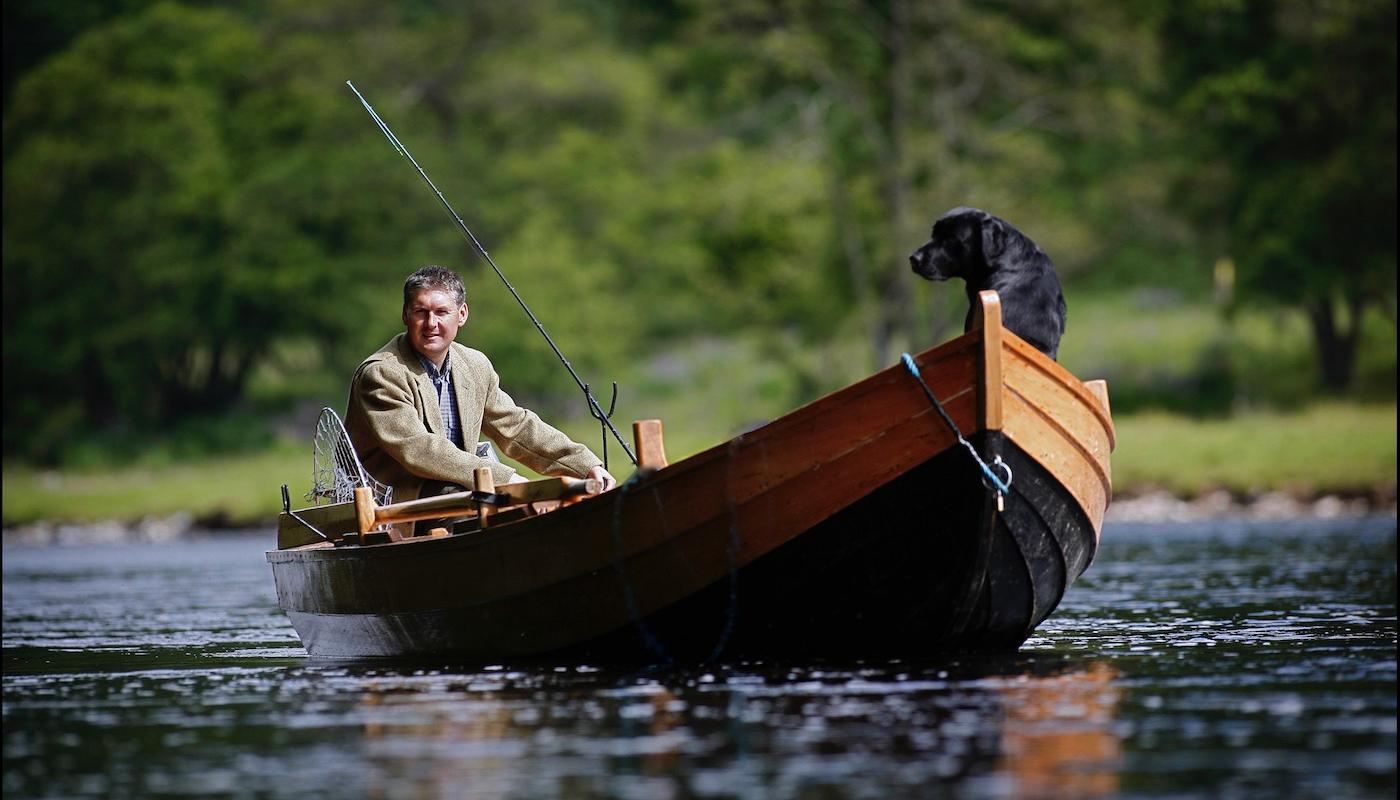
Over my career I've seldom seen good riverbank movement being consistently deployed by visiting anglers which is understandable as most salmon fishers are self taught and focus more on the elegance of their Spey cast. On the River Tay the harling boats are effective due to the simple fact they deliver massive water coverage via typically 3 lures that are fished behind the boat at different fishing lengths as the boat constantly drops downstream 1 boat length between each turn therefore creating massive & thorough water coverage. From a riverbank you can achieve something similar with the often more deadly stealth of a salmon fly if your wading boots have been trained effectively!